Ink, Nib, and Soul: How Fountain Pens Became the Collector's Most Personal Obsession
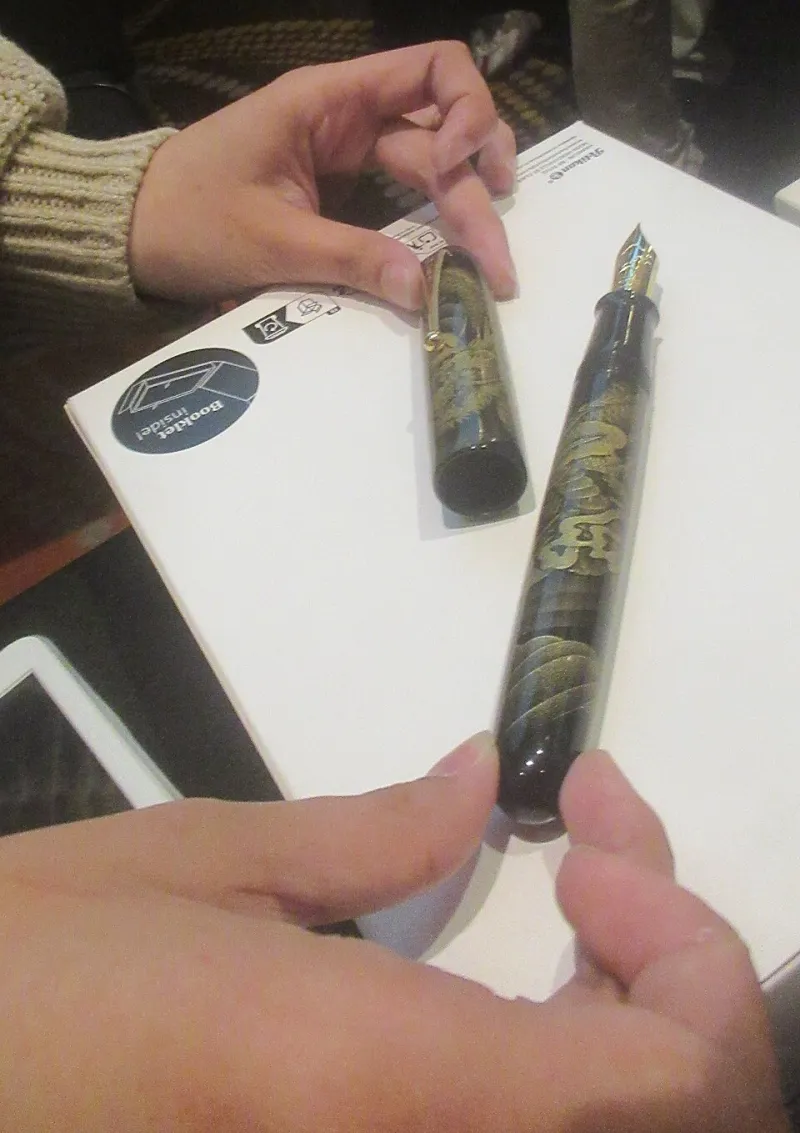
Photo: P1898, CC BY 4.0, via Wikimedia Commons
There's a moment that nearly every fountain pen collector describes with almost embarrassing clarity. It's the first time a well-tuned nib meets good paper — that glassy, effortless glide that no ballpoint has ever come close to replicating. For some people, that moment is enough. For others, it's the beginning of a very deep rabbit hole involving vintage Japanese flex nibs, Italian hand-turned barrels, and a drawer full of ink samples that could paint a small mural.
Welcome to the fountain pen community. It's bigger, weirder, and more welcoming than you'd probably expect.
More Than a Writing Instrument
Ask a serious pen collector why they got into it, and you'll rarely hear "because I needed something to sign checks with." The appeal runs much deeper than utility. Fountain pens occupy this fascinating middle ground between functional object and genuine artwork — something you can carry in your shirt pocket, use every single day, and still admire the way you'd admire a well-crafted sculpture.
The design range alone is staggering. Entry-level pens from brands like Pilot and TWSBI offer beautifully engineered writing experiences for under thirty dollars. Move up the ladder and you're looking at hand-poured celluloid from Italian manufacturer Aurora, translucent demonstrator models that let you watch the ink feed in real time, or limited-edition releases from Pelikan's Souverän line that sell out within hours and immediately command premiums on the secondary market.
At the very top sits the truly rarefied stuff — pens from makers like Nakaya in Japan, where craftspeople hand-finish urushi lacquer barrels using techniques that are centuries old. These aren't just writing instruments. They're heirlooms.
The Nib Is Everything
If the barrel is the pen's personality, the nib is its soul. That small sliver of metal — usually gold or steel, split at the tip to allow ink flow — determines how a pen actually feels to write with, and collectors obsess over nib characteristics the way audiophiles obsess over speaker response curves.
Nib widths run from extra-fine (common in Japanese pens designed for kanji writing) to broad and stub cuts that lay down wide, expressive lines. Then there are flex nibs, which spread under pressure to create dramatic line variation — the kind of dramatic, calligraphic script you see in old letters and think "nobody writes like that anymore." With the right pen and a little practice, they absolutely still do.
A whole subculture exists around nib grinding, where specialized craftspeople called nib meisters will reshape and tune your nib to your exact writing style. The waiting lists for the best ones — names like Mark Bacas or Mike Masuyama circulate reverently in forum threads — can stretch for months.
Ink as a Collection in Itself
Here's something that surprises a lot of newcomers: for many collectors, the pens are almost secondary to the ink.
Fountain pen ink has exploded into its own artistic universe. Small-batch producers and major manufacturers alike now release seasonal collections, regional exclusives, and artist collaborations in colors that have no business existing — a burnt sienna that shifts to gold in certain lighting, a blue-black that shows red sheen on smooth paper, an ink called "Diamine Inkvent" that releases limited holiday shades every December like a very nerdy advent calendar.
Collectors swap samples through the mail, trade bottles at pen shows, and maintain spreadsheets cataloging dozens of bottles by color family, shading behavior, and dry time. The Goulet Pen Company, based out of Virginia, has built an entire business model around making this ink obsession as accessible as possible, with sample sets and an almost encyclopedic online catalog that serves as a first stop for newcomers across the country.
Pen Shows and the Community That Shows Up
If you want to understand what makes this hobby genuinely special, you have to talk about the shows.
Pen shows happen in cities across the US throughout the year — Chicago, DC, Atlanta, Houston, Los Angeles — and they are exactly what you'd hope for: rooms full of tables stacked with vintage and modern pens, ink sample stations, nib grinding booths, and more genuine enthusiasm per square foot than almost any other collector gathering you'll find. The vibe skews older in some rooms and surprisingly young in others, but the common thread is that everyone there really, truly wants to talk about pens.
Vintage dealers bring out trays of American-made Parker 51s and Sheaffer Snorkels from the mid-twentieth century — pens that were built to last generations and largely did. Modern retailers set up next to one-person operations selling hand-turned wood barrels or custom ink blends. The whole thing feels less like a trade show and more like a reunion for people who didn't know they were part of the same family until they walked through the door.
Online, communities like the r/fountainpens subreddit (over 300,000 members and counting) and the Fountain Pen Network forums have been connecting enthusiasts for years. Pen pal exchanges, ink swap threads, and "show me your desk" photo posts create the kind of ongoing conversation that keeps collectors engaged between shows.
Starting Your Own Collection
The beauty of fountain pens as a collecting category is that the entry point is genuinely low. A Pilot Metropolitan or a LAMY Safari will run you somewhere between fifteen and thirty dollars, write beautifully right out of the box, and give you a real sense of what the hobby is about before you spend more. Most collectors recommend starting there — not because the expensive stuff isn't worth it, but because you'll have a much better sense of what you actually want once you've spent some time with the basics.
From there, the path is entirely your own. Some collectors chase vintage American pens, hunting estate sales and eBay listings for golden-age Parkers and Esterbrooks. Others focus on Japanese craftsmanship, building out a rotation of Pilot Customs and Platinum Centuries. Some people fill a single beautiful pen with their favorite ink and use it every day for years. Others maintain a rotation of twenty.
There's no wrong way to do it. That's kind of the whole point.
A Pocket-Sized Portal to Something Bigger
What draws people to fountain pens — and what keeps them — is the same thing that draws collectors to any object with genuine craft behind it. It's the sense that the thing in your hand has a history, a maker, a set of decisions that went into its creation. Every time you uncap a well-made pen and feel that nib hit the page, you're connecting to something that stretches back centuries.
For a hobby that fits in your shirt pocket, that's a remarkable amount of depth. And if the fountain pen community has proven anything, it's that there are a whole lot of people out there who are very much here for it.

